
ITAD for AI Infrastructure
Retire AI hardware without losing control of it.
IT asset disposition for AI factories, HPC centres and GPU clouds: decommissioning, data sanitisation, custody and records, delivered by certified specialists and documented down to each serial number.
Plan a retirement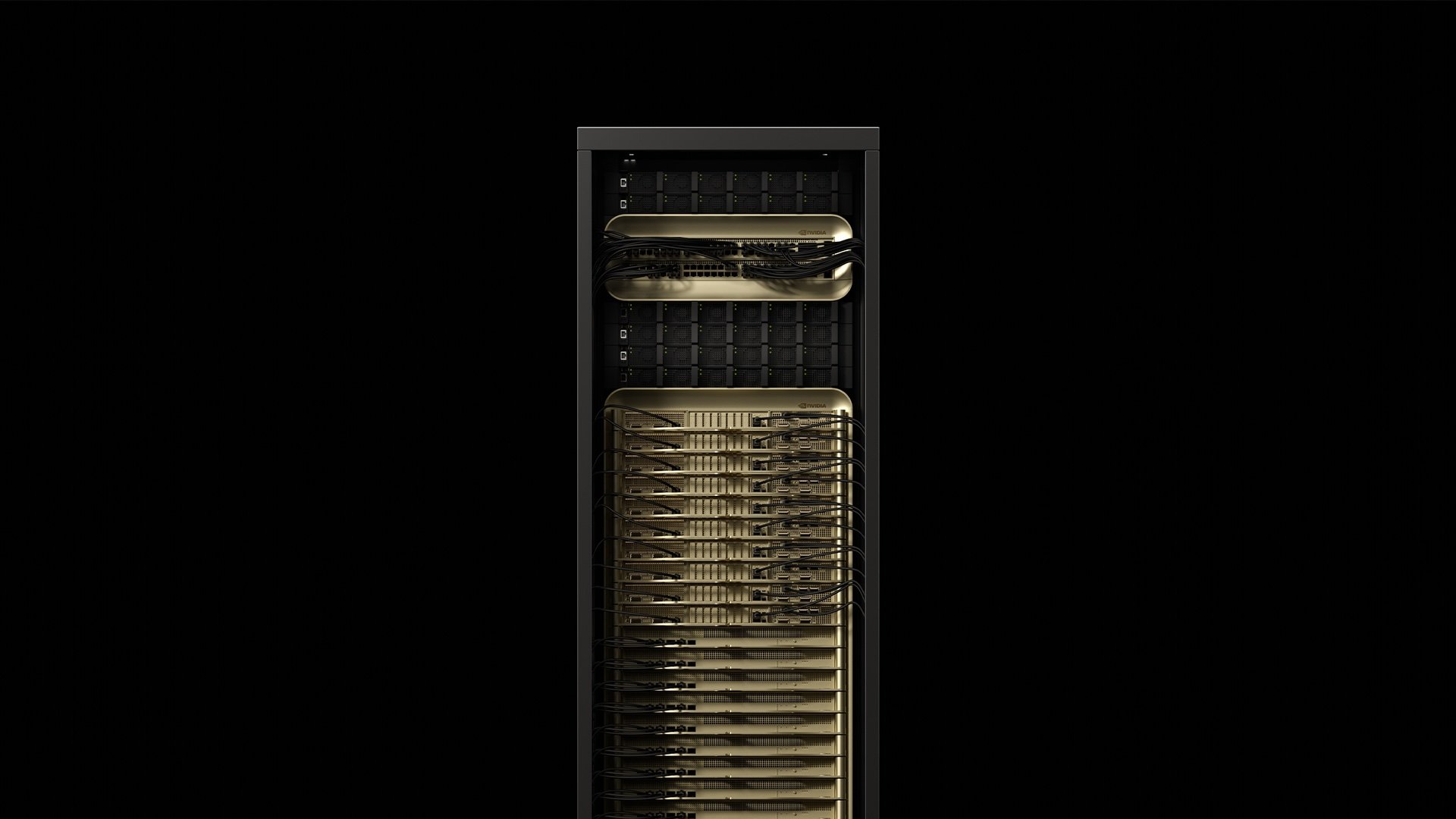
What makes AI racks different
Standard ITAD processes were built for laptops, desktops and 1U servers. Rack-scale AI systems change the job at every step.
Weight and density
A fully populated rack-scale system can weigh more than a tonne. Removal needs floor-load checks, rigging plans and the right lifting kit.
Liquid cooling
Direct-to-chip systems must be isolated, drained and flushed, coolant handled as waste, and cold plates and manifolds protected for reuse.
More places for data
Beyond the NVMe drives: boot media, baseboard management controllers, network adapter and DPU configuration, firmware and stored keys.
Export controls
Advanced accelerators are controlled items. Who receives them next, and where they go, has to be checked and recorded.
High value per unit
A single tray can be worth more than a whole office of PCs. Handling damage or a lost unit is a material loss.
Mixed estates
GPUs, servers, InfiniBand or Ethernet fabric, optics, storage and power shelves each follow a different route.
One documented process
Every retirement follows the same sequence, whether it is ten trays or a full hall.
- Retirement notice and inventory
The owner issues a notice listing units by serial number. It is reconciled against the asset register before anyone touches a rack.
- On-site decommissioning
Power-down, coolant isolation and drain, de-cabling, de-racking and packing, with photographs and a site report.
- Secure transport
Tamper-evident seals, tracked vehicles and a signed chain of custody from dock to facility.
- Data sanitisation
All data-bearing media, memory and firmware sanitised to recognised standards such as NIST SP 800-88 and IEEE 2883, or physically destroyed, with a certificate per serial number.
- Test and grade
Tray-level validation, GPU diagnostics and cosmetic grading, recorded against each serial number. Graded, tested units sell for more.
- Route decision
Each unit is routed by the reuse-first hierarchy: redeploy, resell, harvest or recycle. The owner approves.
- Close-out records
The owner receives the full record: certificates, route, final destination and weight of material recovered.
Standards we ask partners to meet
CompuStak selects decommissioning and processing partners on their certifications, their facilities and their experience with liquid-cooled systems. Each partner contracts directly with the owner for its own service.
| Area | What we look for |
|---|---|
| Quality and environment | ISO 9001, ISO 14001 |
| Information security | ISO/IEC 27001 |
| Health and safety | ISO 45001 |
| Responsible reuse and recycling | R2v3 or equivalent |
| WEEE treatment | EN 50625 series, where applicable |
| Location | Certified facilities in each region, with in-country or in-region processing available |
What you receive
Records an auditor, a lender or a public funder can check, held by you rather than by the partner.
Per serial number
- Sanitisation or destruction certificate
- Test and grade result
- Route and final destination
Per retirement
- Signed chain-of-custody log
- Site decommissioning report
- Waste transfer and WEEE documents
Per year
- Reuse and recycling rates
- Material recovered by weight
- Embodied carbon avoided through reuse
Sovereign and Public Projects
Data stays in its jurisdiction
For publicly funded infrastructure, processing can be restricted to certified facilities in the same jurisdiction, such as the EU, with no remote access from outside it and serial-level reporting to the funder.